Your Right to Anonymous Speech Now Depends on Which Tech Company Gets the Request
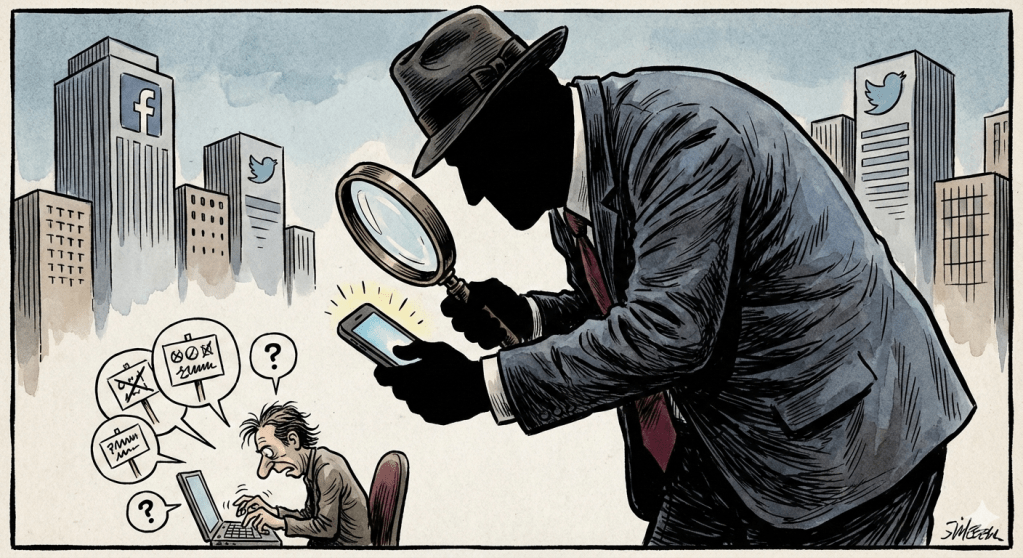
For years, Americans have been told that online anonymity is fragile. The Department of Homeland Security has now made clear just how fragile it really is. Over the past several months, DHS has issued hundreds of administrative subpoenas to Google, Meta, Reddit, and Discord — demanding the real identities behind accounts that criticize Immigration and Customs Enforcement or share information about ICE activity. These aren’t warrants. They don’t require a judge or probable cause or any meaningful legal threshold. They are, in effect, government-issued permission slips to unmask political speech, and they’re being used at a pace that civil liberties attorneys say is unlike anything they’ve seen before.
According to reporting from Yahoo News, DHS has leaned heavily on these subpoenas under the banner of “officer safety” — a justification elastic enough to stretch over almost any expression that inconveniences or embarrasses the agency. This isn’t really a story about immigration enforcement. It’s a story about power, and about what happens when surveillance tools once reserved for serious criminal investigations get quietly repurposed for something else entirely.
A Bureaucratic Shortcut With Constitutional Consequences
Administrative subpoenas have long existed on the margins of federal investigative authority, historically deployed in narrow circumstances — child exploitation cases, trafficking investigations, credible threats to life. What DHS is doing now is something different. The agency has repurposed these subpoenas to identify people who post about ICE checkpoints, criticize how agents conduct themselves, or circulate public-interest information the government would rather keep quiet. The process is straightforward to the point of being troubling: DHS writes the subpoena, sends it, and receives the data. No judge signs off. No adversarial review happens. There’s no constitutional friction built into the mechanism at all.
Civil liberties groups have been sounding the alarm about exactly this kind of creep — not the dramatic, headline-grabbing overreach, but the mundane, procedural kind. When a tool becomes easy to use, it becomes routine. And when it becomes routine, it stops being scrutinized.
Big Tech’s Uneven Resistance
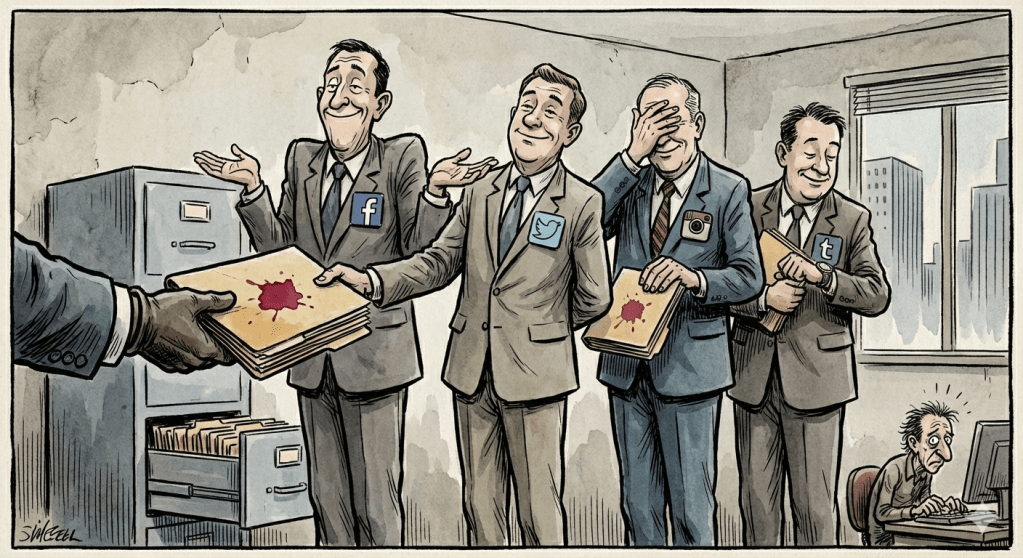
The platforms on the receiving end of these demands haven’t exactly covered themselves in glory, though some have done better than others. Google says it pushes back on requests it considers overbroad. Meta has at least notified some targeted users, giving them a window — often narrow — to challenge the demand before a court. Reddit and Discord have been far less transparent about what they do or don’t comply with.
That inconsistency isn’t a footnote. It’s the whole problem. Whether you can speak anonymously about government conduct now depends largely on which company’s legal team happens to be handling the request. The right to political dissent has been effectively privatized, handed over to corporate compliance departments with no particular obligation to protect it. DHS knows this, and agencies tend to find the path of least resistance. When the ACLU intervened in a case involving a Pennsylvania community page posting bilingual ICE alerts, DHS withdrew the subpoena rather than defend it in court. The same thing happened in California. The pattern is consistent: the government presses forward when it can, and retreats when it’s actually challenged.
The Chilling Effect Is the Point
Even when these subpoenas get withdrawn, the damage is largely done. The message sent to the broader public is clear enough — criticize ICE and you might end up in a federal file, share information about enforcement activity and you might be unmasked, even if everything you did was legal and newsworthy. That’s how chilling effects work. They don’t need prosecutions or arrests to function. They need only the credible threat of being watched, and the knowledge that the government has the tools to follow through.
In a political climate where immigration enforcement has become a symbol of strength for the current administration, the incentive to silence critics is considerable. The subpoenas are administrative, but what they’re doing is deeply political.
What Comes Next
If DHS can unmask its critics today with a form letter, there’s nothing structurally preventing other agencies from picking up the same playbook tomorrow — targeting labor organizers, environmental activists, or whistleblowers through the same mechanism. Administrative subpoenas bypass judicial oversight. Tech companies are unreliable gatekeepers. Most Americans don’t have the resources or institutional backing to fight a federal demand. And the government has already demonstrated it will only back down when directly confronted. Once an agency normalizes a tool like this, it rarely gives it up.
At its core, this is a civil rights issue. The First Amendment protects not just the right to speak, but the right to speak without fear of government retaliation. When anonymity can be stripped away without judicial review, that protection becomes largely theoretical — real only for the people with enough resources to defend it. The ACLU’s interventions have shown the law still has teeth. The problem is that most people can’t afford to bite back, and DHS is counting on exactly that.
Resources: https://www.nytimes.com/2026/02/13/technology/dhs-anti-ice-social-media.html
https://www.thedailybeast.com/dhs-orders-tech-giants-to-unmask-anti-ice-accounts/

 Fact-or-Fiction Daily News
Leave a comment